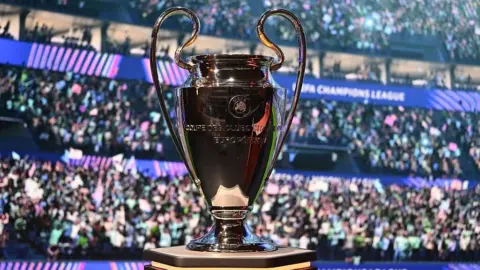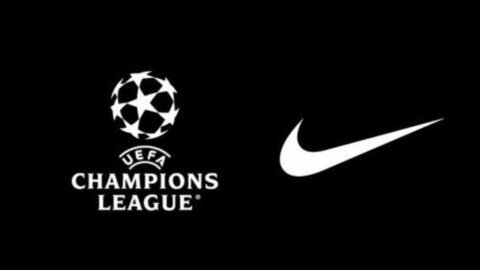

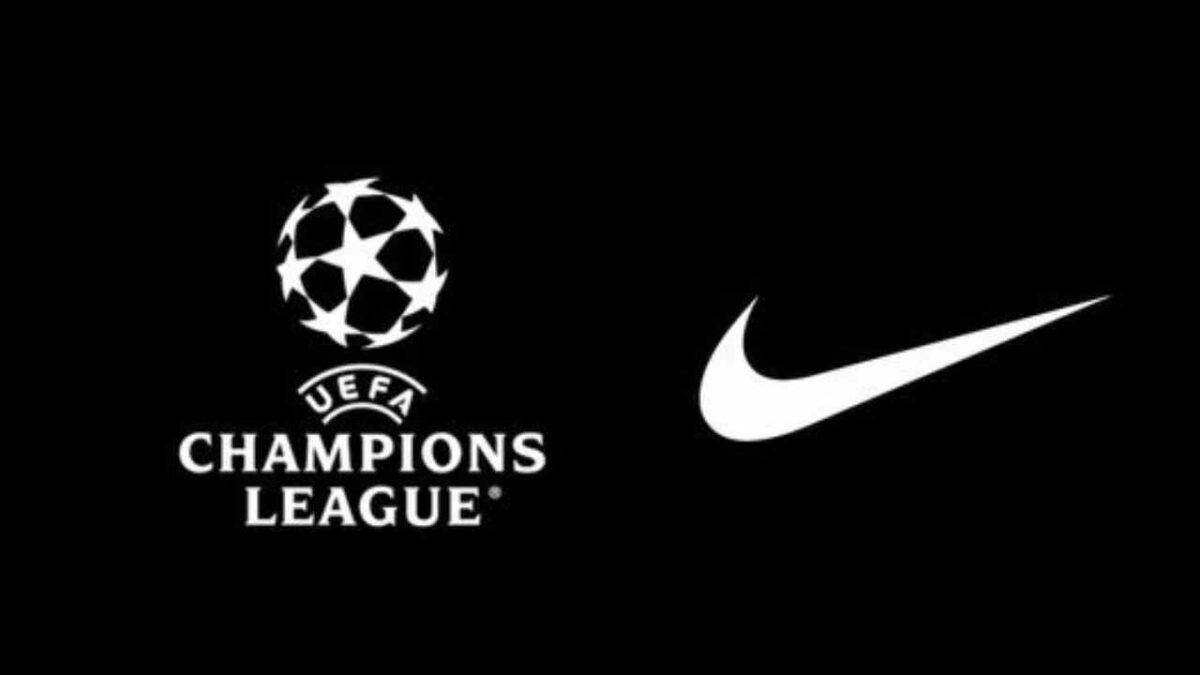
UEFA has confirmed that Nike will provide the official ball for the Champions League from 2027, ending Adidas’ 26-year run covering all three of UEFA’s club competitions, according to a report published by Thick Accent. Football Maza is summarising that account for English-language readers.
A four-year deal across UEFA’s club competitions
From the 2027/28 season, Nike will supply the Champions League, Europa League and Conference League, along with the Super Cup, Youth League and Futsal Champions League. The four-year agreement runs until the 2030/31 season. The report notes this is the first time all three major men’s club competitions will share one ball supplier.
The report says the deal is reported to be worth around $45m a year. It also cites projections that broadcast and sponsorship revenue for UEFA’s men’s club competitions will rise above five billion euros from next season. These financial figures come from reports cited by the publisher and have not been independently verified.
Design questions remain open
Supporters had expressed concern that Adidas held the trademark to the star-panel design, which could prevent Nike from replicating it. The report says reports have suggested UEFA may license its star branding to Nike, which could apply the concept to its own ball technology. UEFA has said only that further details on the match ball designs will be revealed in due course.
According to the publisher, the announcement teaser and latest leaks appear to show a design closer to Nike’s Control ball, with a possible return of the Total 90 design. These remain unconfirmed observations rather than official details.
Statements from both sides
Nike Football’s Camilo Andrade said the company was “excited and honoured” to return to one of football’s biggest stages. UC3’s Guy-Laurent Epstein said the organisation was delighted to welcome Nike aboard, as quoted in the report.
Context for Nike’s European push
The report recalls that Nike previously supplied the Champions League ball from 1997 to 2001 before Adidas took over in 2001. It also argues that a match ball is among the most visible products in football, appearing in photo shoots, advertising, press conferences and on the pitch at every game.